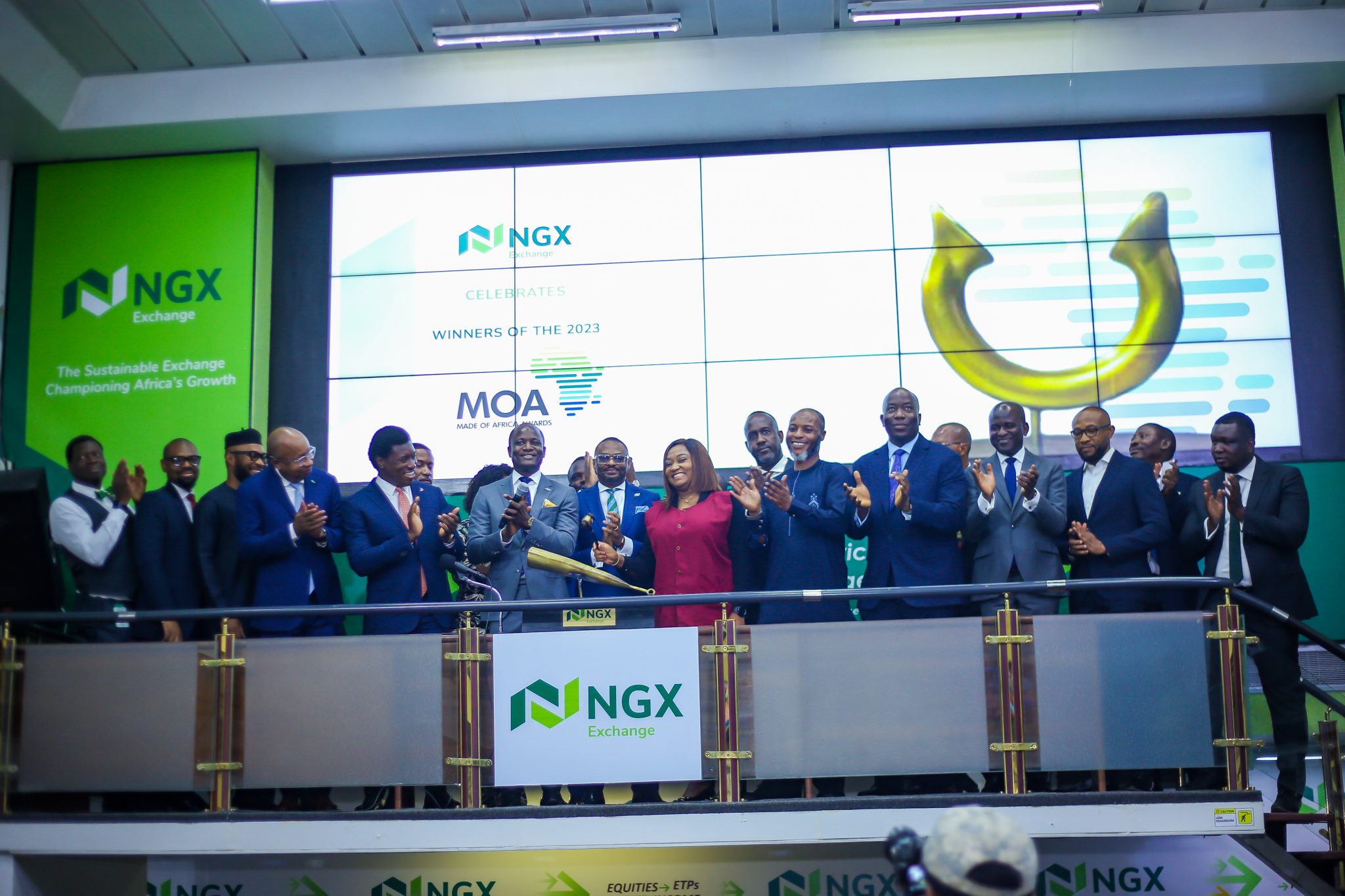

The Nigerian Exchange Limited has crossed the N130 trillion market capitalisation mark, highlighting renewed investor confidence and a strong equity rally driven by recent economic reforms. The milestone, reached on March 17, comes just two months after the market surpassed N100 trillion, underscoring the remarkable pace of growth in Nigeria’s equities market.
Nigeria’s stock market capitalisation now stands at about 30 percent of gross domestic product, up sharply from approximately 15 percent two years ago, though still below global averages, suggesting further upside potential. The benchmark All-Share Index rose 0.54 percent to close above 202,000 points, with year-to-date returns exceeding 30 percent.
Trading activity remained robust, reflecting rising liquidity and increased investor participation across market segments. Analysts attribute the rally to improved corporate earnings, increased local participation following adjustments to pension fund allocation limits, and portfolio shifts into equities as a hedge against macroeconomic uncertainty.
Momentum has been strongest in industrial and banking stocks, with investors positioning ahead of key events such as the banking sector recapitalisation deadline. The recapitalisation exercise, requiring banks to raise additional capital, has driven demand for banking stocks as investors anticipate stronger balance sheets and expanded lending capacity.
The market’s growth reflects improving sentiment toward Nigerian assets following policy reforms that have stabilised the foreign exchange market, reduced fiscal distortions, and signalled commitment to market-driven pricing. Domestic investors, particularly pension funds and asset managers, have increased allocations to equities as confidence in the policy environment strengthens.
For the broader economy, a vibrant capital market supports corporate fundraising, enabling companies to raise capital for expansion, job creation, and investment. It also provides wealth creation opportunities for retail investors and strengthens the financial system’s capacity to intermediate savings into productive investment.
The crossing of the N130 trillion mark represents not merely a numerical milestone but a validation of the reform trajectory and its impact on investor confidence. Sustaining this momentum requires continued policy consistency, improved corporate governance, and deepening of market infrastructure to support liquidity and price discovery.