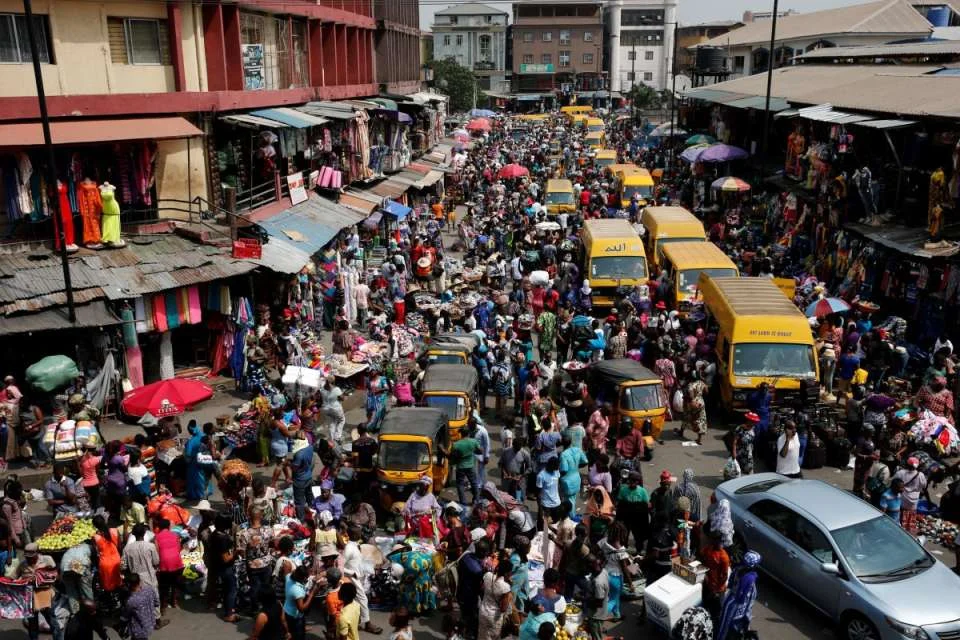

Nigeria has recorded the lowest life expectancy in the world, according to the United Nations’ 2025 Global Health Report. The report places the country’s average lifespan at 54.9 years, significantly below Africa’s continental average and far beneath the global benchmark of 73.7 years. Nigerian men live an average of 54.3 years, while women live only slightly longer at 54.9 years. Only Chad, with a life expectancy of 55.2 years, and the Central African Republic, at 57.7 years, come close to Nigeria’s figures.
The data mark a worrying milestone for Africa’s most populous country, underscoring deep-rooted structural and social problems that have prevented improvements in public health outcomes over the past decade. Nigeria’s life expectancy has remained stagnant since 2019, when it stood at roughly 55 years. While other countries in the region have made progress through improved healthcare access and social investment, Nigeria has slipped further down global rankings.
Health experts and policy analysts say the reasons for this decline are multifaceted — a reflection of weak healthcare systems, widespread poverty, malnutrition, and recurring industrial disputes in the medical sector. Many also point to insecurity and poor governance as major obstacles to reform. The country’s healthcare infrastructure is overstretched, particularly in rural and conflict-affected regions, where hospitals are under-resourced and often inaccessible.
One of the most significant contributors to the low life expectancy is Nigeria’s high rate of maternal and infant mortality. Women face serious risks during childbirth due to a shortage of skilled birth attendants, poor access to antenatal care, and inadequate emergency services. Children, too, are disproportionately affected by preventable diseases such as malaria, pneumonia, and diarrhoea — illnesses that are easily treatable in countries with stronger primary healthcare systems.
Socio-economic hardship has compounded these health challenges. Over 40 percent of Nigerians live below the poverty line, and millions more struggle with food insecurity. Malnutrition remains widespread, particularly among children under five, weakening immune systems and leading to stunted growth and higher vulnerability to disease. Poor sanitation and lack of access to clean water continue to facilitate outbreaks of cholera and other waterborne diseases.
Insecurity has also taken a heavy toll. Ongoing insurgencies, banditry, and communal violence have displaced millions and disrupted healthcare delivery in large parts of the north and central regions. Medical personnel are often forced to flee unsafe areas, while patients are unable to travel long distances for care. Industrial actions by health workers, protesting unpaid wages, unsafe working conditions, and poor facilities, have further reduced access to essential services.
While Nigeria’s figures are alarming, the trend of low life expectancy is not unique to it. Many sub-Saharan African countries face similar health and economic pressures. However, Nigeria’s position as the world’s lowest is striking, given its vast human and natural resources, its oil wealth, and its status as Africa’s largest economy. It highlights the extent to which governance and policy execution have lagged behind demographic and developmental realities.
Public health advocates say reversing this trend will require a coordinated and well-funded response. They call for major investment in healthcare infrastructure, particularly at the primary level, where most preventable deaths occur. Expanding universal health coverage, improving maternal and child health services, and investing in nutrition and sanitation programmes are seen as urgent priorities. Many also emphasise the need for stronger political will to enforce existing health policies and to ensure transparency in budget allocation and implementation.
Experts further argue that addressing health outcomes cannot be separated from tackling broader socio-economic challenges. Job creation, poverty reduction, education, and environmental management are all central to improving life expectancy. Without social safety nets and sustainable development, gains in the health sector are likely to be short-lived.
The UN report warns that unless decisive reforms are implemented, Nigeria’s population, projected to reach over 230 million by 2030, will continue to face dire health outcomes. It also notes that the burden of disease and premature death has broader economic implications, including reduced productivity, higher dependency ratios, and increased strain on already limited public resources.
Nigeria’s dismal life expectancy figures are therefore not just a health crisis but a national development emergency. They expose the consequences of years of underinvestment, neglect, and policy inconsistency in critical social sectors. Without immediate and sustained action, the country risks perpetuating a cycle in which millions are condemned to shorter, harder lives despite living in one of the world’s most resource-endowed nations.
The message from the UN report is clear: unless Nigeria undertakes bold reforms — prioritising public health, education, and social welfare — it will continue to lose both lives and potential. The numbers are a sobering reminder that economic growth without human development is fragile at best, and meaningless at worst.