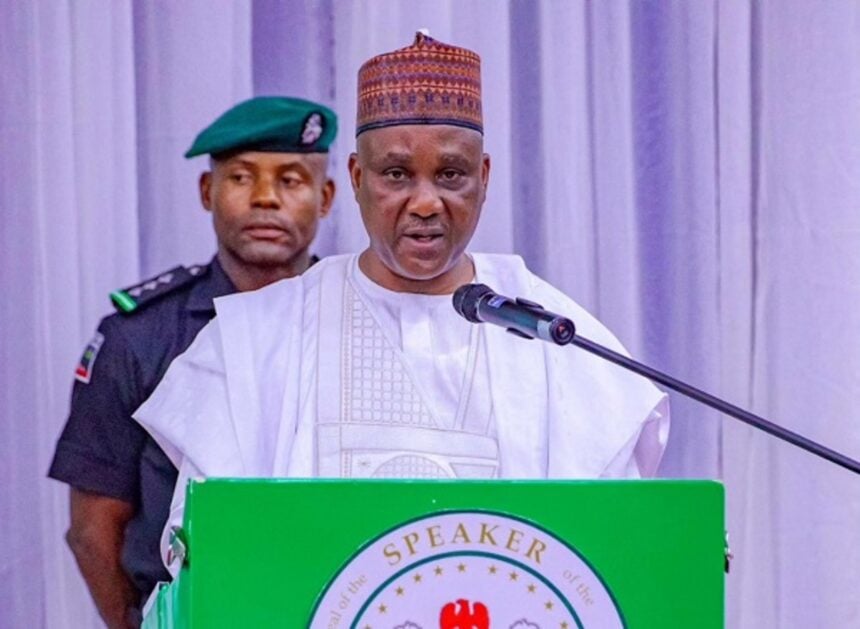

The Speaker of the House of Representatives, Hon. Abbas Tajudeen, has defended the National Assembly’s decision to adopt a hybrid results transmission system combining electronic and manual methods for the 2027 general elections. Speaking in Abuja over the weekend during a courtesy visit by the Spanish Ambassador to Nigeria, Felix Costales, the Speaker emphasized that this dual approach is a pragmatic necessity to prevent voter disenfranchisement and combat the country’s persistent voter apathy.
The structural and geographical consequence of Nigeria’s current digital divide remains the primary driver of this legislative strategy. Referencing data from the Nigerian Communications Commission (NCC), Speaker Tajudeen noted that approximately 40 per cent of Nigerian territory remains underserved by internet infrastructure. He argued that mandating an exclusively electronic transmission system in a country where even major hubs like Abuja face connectivity instability would effectively strip millions of citizens of their right to vote, potentially resulting in record-low turnout.
Analytically, the Speaker highlighted a concerning trend in Nigerian electoral participation. Despite having an “alarming” number of registered voters, only 12 to 15 per cent typically cast their ballots every four years. He posited that adding a strict digital barrier to a system already struggling with participation would be counterproductive. The “hybrid” system is therefore designed to use electronic transmission where feasible while maintaining manual backups to ensure that no polling unit is silenced by technical failures, energy crises, or lack of network coverage.
The impact on “Democratic Transparency and International Collaboration” was a vital dimension of the Speaker’s dialogue with Ambassador Costales. Tajudeen revealed that his recent interactions with the new INEC Chairman, Professor Joash Amupitan, have bolstered his confidence that the 2027 polls will be more “transparent, accommodating, and inclusive.” Interestingly, the Spanish Ambassador noted during the meeting that Spain also utilizes manual transmission for its election results, reinforcing the idea that even developed democracies often rely on a blend of technologies and traditional methods to achieve consensus and stability.
Furthermore, the Speaker addressed the criticisms from opposition parties, asserting that they are well aware of the country’s infrastructural limitations, including the ongoing energy crisis. He maintained that democracy is a “work in progress” and urged the international community, particularly Spain, to provide technical advice and support in areas such as legislative drafting rather than pushing for a pace of digital adoption that the nation’s current electricity and internet grids cannot support.
The long-term outlook for Nigeria’s electoral evolution suggests a slow but deliberate move toward modernization. While the National Assembly remains committed to improving the system, the focus for 2027 is on stability and inclusion rather than a total digital overhaul. For the Nigerian electorate, the message is one of cautious optimism: the goal is to create a system that is technologically advanced where possible, but robust enough to function in every corner of the country, regardless of signal strength.