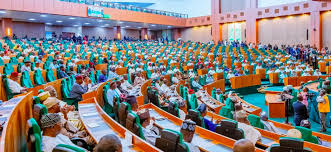

The House of Representatives has intensified its scrutiny of the power sector by constituting a seven-man sub-committee to conduct a forensic audit of gas supplied to electricity Generation Companies (GenCos). The move, initiated by the Ad-hoc Committee investigating power sector reforms from 2006 to 2024, follows shocking revelations regarding gas usage at the “moribund” Sapele Power Plant. For the Nigerian economy, this audit is a critical step toward transparency in the “Gas-to-Power” value chain, aiming to plug leakages that contribute to the nation’s persistent grid instability and fiscal waste.
The economic consequence of this investigation centers on the suspected “Economic Crime” of gas diversion. Lawmakers discovered that the Sapele Power Plant in Delta State has allegedly been receiving gas supplies for over a year without generating a single megawatt of electricity. This suggests a massive misallocation of resources at a time when other functional GenCos are starving for fuel. For the manufacturing sector, which loses billions of naira annually to power outages, this audit represents a potential turning point in ensuring that every molecule of gas paid for by the federation actually results in “light” for industries and households.
Analytically, the conflict has pitted the House Committee against major energy players like Seplat Energy. While the Committee, led by Al-Mustapha Aliyu, expressed concerns that inadequate gas supply from Seplat might be “strangulating” power plants, Seplat’s management has fired back with staggering financial data. Seplat’s General Manager of Gas, Olubukola Fasoyin, revealed that the Sapele Power Plant is currently indebted to the company to the tune of N20 billion for gas already supplied. This creates a complex “Circular Debt” paradox: if GenCos cannot pay for gas, the entire value chain collapses, regardless of the forensic audit’s outcome.
The impact on “Investment Climate” is a vital dimension of this probe. Seplat Energy’s Managing Director, Ibiada Itoto, defended the company’s commitment to the Federal Government’s reform agenda, stressing that their goal is sustainability, not sabotage. However, the Committee’s allegation that Seplat may be an “accomplice” to gas diversion could rattle international investors in the energy space. For the Renewed Hope administration, which is desperate to increase domestic gas utilization, this investigation must balance the need for accountability with the need to protect the contractual sanctity of private energy providers.
Furthermore, the audit aims to answer the “Whither the Gas?” question. If gas is being supplied to non-functional plants, where is it going? The House Committee is investigating whether this gas is being diverted to private industrial users or other non-regulated markets, essentially bypassing the national grid. For the Nigerian taxpayer, this is a matter of “Stolen Value.” Resolving this mystery is essential for lowering the “Liquidity Gap” in the power sector, which currently relies on government interventions to stay afloat.
The long-term economic outlook for Nigeria’s power sector depends on the sub-committee’s ability to move beyond “political theater” and deliver a data-driven report. As Nigeria targets a trillion-dollar economy, it cannot afford a power sector built on “phantom generation” and unpaid debts. The forensic audit of GenCos’ gas usage will either validate the current reform efforts or expose a systemic failure that requires a complete overhaul of the Gas-to-Power agreements. Only by synchronizing gas supply with actual generation can Nigeria hope to achieve the energy security required for industrial takeoff.