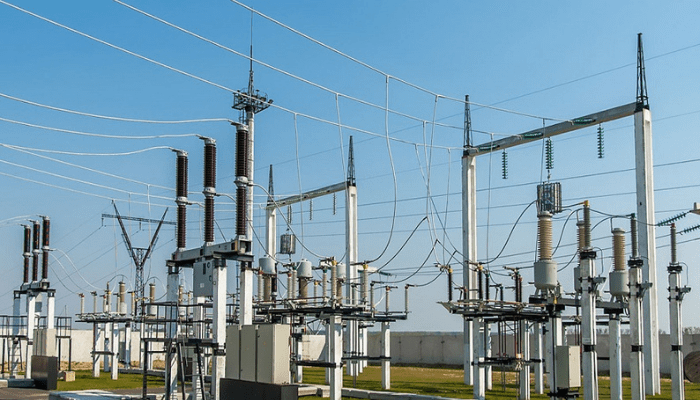

In a decisive move to restructure one of Africa’s most constrained power markets, the Lagos State government has granted regulatory approval to 14 new private electricity operators. The licenses span critical segments: off-grid generation, independent metering services, and last-mile distribution sectors long stifled by the centralized inefficiencies of the national grid.
The approvals, announced by the Lagos State Electricity Board (LSEB), mark the largest single licensing round since the 2023 Lagos State Electric Power Sector Law decentralized authority from the federal regulator, NERC. For investors, the signal is unambiguous: Lagos is aggressively unbundling its electricity economy, creating direct access to a market of over 15 million consumers who collectively lose an estimated $29 billion annually to outages and diesel backup.
Five of the approved operators focus on metering, a direct response to Nigeria’s estimated 50% metering deficit. Under the new framework, these companies will deploy pre-paid and smart meters independent of the legacy utility, Eko and Ikeja Distribution Companies (DisCos). Analysts at BloombergNEF note that private metering can cut collection losses from over 35% to single digits, improving cash flow across the entire value chain.
Six operators received licenses for off-grid solutions, including solar mini-grids and gas-fired captive power plants. For commercial clusters like Computer Village and Alaba International Market, this allows developers to bypass grid instability entirely. The Lagos State government has tied these approvals to its “Electricity for All” road map, targeting 4 GW of decentralized capacity by 2030.
The remaining three licensees will operate as embedded distribution companies (DisCos), purchasing power from generating plants and selling directly to industrial zones. This model, already proven in the Lekki Free Zone, reduces transmission losses, currently above 40% nationally to near zero.
Near-term risks remain: tariff harmonization with NERC, fuel price volatility for gas-based projects, and local currency lending constraints. However, the International Finance Corporation (IFC) and Africa Finance Corporation are structuring a $200 million facility for licensed off-grid projects in Lagos, signaling institutional confidence.
For global investors, Lagos is now a live case study in subnational power liberalization. If successful, the model could accelerate similar reforms in Kano, Rivers, and Kaduna states, rewriting Nigeria’s electricity narrative from chronic failure to privatized resilience.