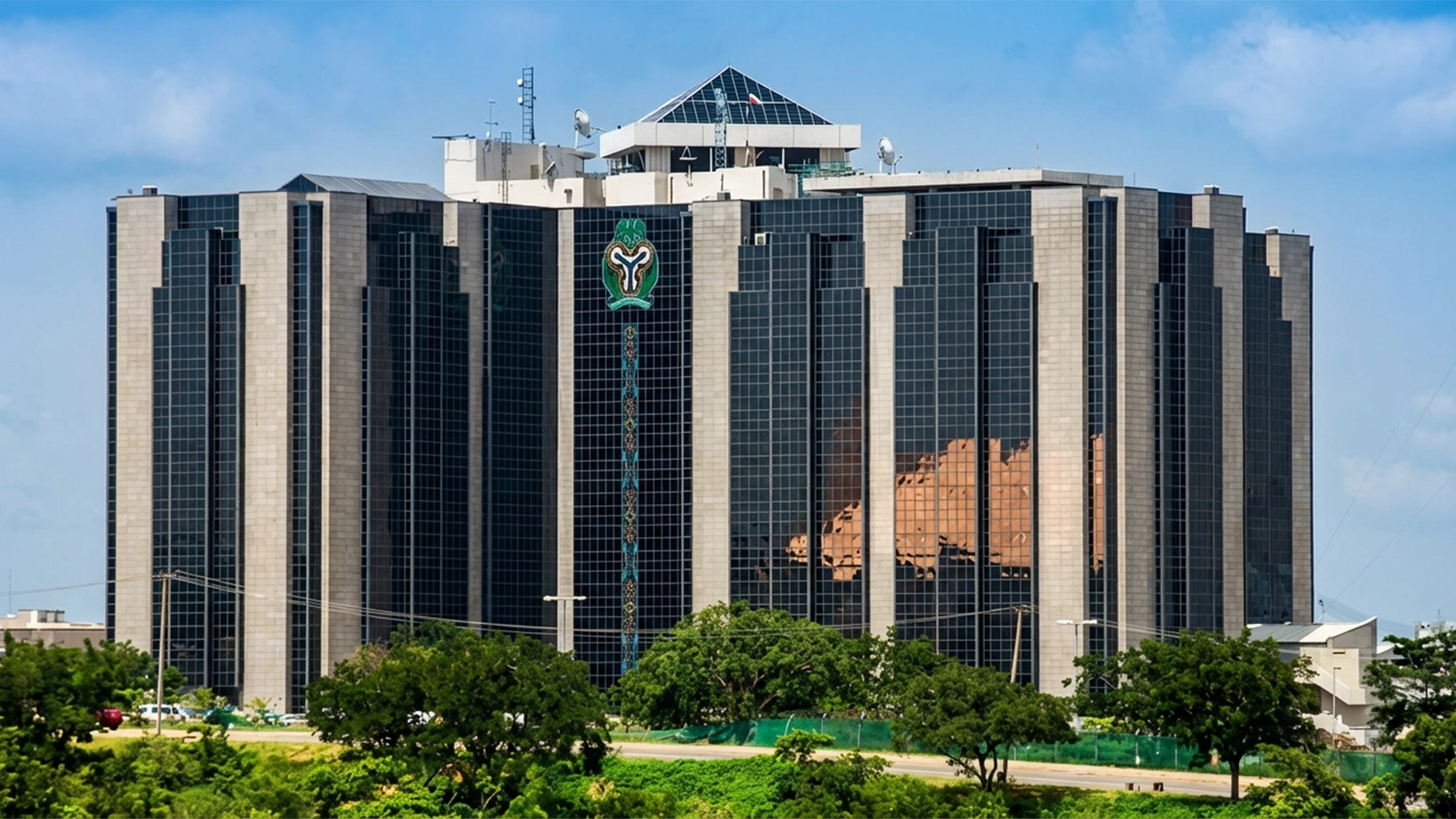

The Central Bank of Nigeria (CBN) allotted N731.75 billion worth of Treasury Bills at its May 6 primary market auction, underscoring sustained investor appetite for short-term government debt despite evolving liquidity conditions and inflationary pressures in Africa’s largest economy.
The auction, closely watched by investors and financial institutions, formed part of the apex bank’s liquidity management strategy aimed at regulating money supply while providing the federal government with short-term financing support.
Treasury Bills, commonly referred to as T-Bills, are short-term debt instruments issued by the government through the CBN to raise funds and manage liquidity within the financial system. They are widely regarded as low-risk investment vehicles and remain popular among banks, pension funds, asset managers, and retail investors seeking stable returns.
Market analysts said the strong subscription level reflects continued demand for relatively secure fixed-income assets amid persistent macroeconomic uncertainty, elevated inflation, and volatile foreign exchange conditions.
The allotment also signals the CBN’s continued reliance on open market operations and debt issuance to absorb excess liquidity from the banking system. Analysts noted that tighter monetary policy and elevated benchmark interest rates have increased the attractiveness of government securities compared with riskier asset classes.
Nigeria’s fixed-income market has experienced heightened activity in recent months as institutional investors reposition portfolios toward high-yield sovereign instruments. Rising yields on Treasury Bills and bonds have encouraged investors to lock in returns while monetary authorities maintain an aggressive anti-inflation stance.
Financial market participants said investor demand at the latest auction was concentrated in shorter-tenor instruments, reflecting cautious sentiment over interest rate direction and inflation expectations. Shorter maturities typically offer investors flexibility in uncertain economic conditions.
The development comes as the CBN continues efforts to stabilise the naira and curb inflation through tight monetary policy measures. Higher interest rates and frequent debt auctions have become central tools in the bank’s broader strategy to contain excess liquidity and moderate price growth.
Economists, however, warned that sustained heavy government borrowing in the domestic market could place upward pressure on yields and potentially crowd out private sector credit over time. Businesses already face elevated borrowing costs following successive monetary tightening measures implemented over the past year.
Still, demand for government securities is expected to remain resilient in the near term, supported by attractive yields and limited alternative investment opportunities within the domestic market.
Investors will now turn attention to upcoming monetary policy decisions and inflation data for clearer direction on interest rates and fixed-income market trends in the second half of the year.