
Nigeria’s electricity distribution companies (DisCos) generated a combined N196 billion in revenue in February 2026, according to data released by the Nigerian Electricity Regulatory Commission (NERC), underscoring gradual improvements in market collection performance amid persistent structural challenges in the power sector.
The revenue figure reflects the total amount collected by the country’s 11 DisCos from electricity consumers during the month, a key indicator of liquidity in Nigeria’s heavily indebted power market. While the latest earnings highlight continued cash flow within the downstream electricity segment, they also sit against a backdrop of tariff reforms, energy supply constraints, and rising operational costs.
Industry analysts note that the performance suggests modest gains in billing and collection efficiency, driven in part by ongoing metering initiatives and periodic tariff adjustments aimed at narrowing the sector’s funding gap. However, a significant portion of electricity consumed in Nigeria remains unmetered, leaving room for estimated billing, revenue leakages, and disputes between consumers and utilities.
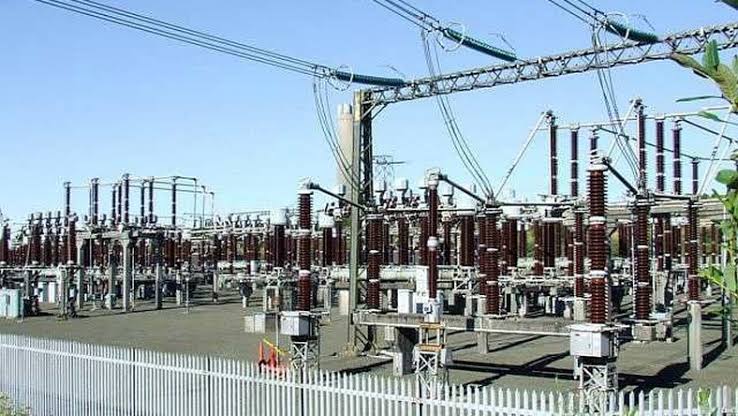
The DisCos operate at the final stage of Nigeria’s privatised electricity value chain, purchasing power from generation companies (GenCos) through the national grid before distributing it to households, businesses, and industrial users. Their financial stability is central to the liquidity of the entire electricity ecosystem.
Despite the N196 billion revenue intake, the sector continues to grapple with legacy debt burdens, foreign exchange exposure on infrastructure imports, and persistent shortfalls in cost-reflective tariffs, electricity prices that fully cover production and distribution costs. These pressures have historically required government interventions to stabilise the market.
NERC has consistently pushed for improved compliance across market participants, including stricter enforcement of remittance obligations and gradual movement toward cost-reflective pricing. The regulator argues that without stronger revenue recovery, investment in grid expansion and reliability improvements will remain constrained.
For consumers and businesses, however, tariff adjustments remain politically sensitive, particularly in an environment of elevated inflation and weak disposable income. This tension continues to shape policy decisions in the sector.
Looking ahead, market watchers expect further regulatory tightening and incremental reforms aimed at improving liquidity, reducing technical and commercial losses, and strengthening the financial health of DisCos. However, structural inefficiencies in transmission and gas supply constraints remain key risks to sustained sector recovery.