
Wednesday, May 6, 2026
  • Login
No Result
View All Result
The Business Times
  • News
  • BT Exclusive
  • Economy
  • Business
  • Financial Markets
  • Politics
  • Energy
  • Insights
  • Sports
  • News
  • BT Exclusive
  • Economy
  • Business
  • Financial Markets
  • Politics
  • Energy
  • Insights
  • Sports
No Result
View All Result
The Business Times
No Result
View All Result
Home Economy

Stable Naira Quietly Reshapes Nigeria’s Economy

byStephen Abebor
May 6, 2026
in Economy, Banking, Financial Markets, News
0
Naira Rebounds From April Lows, Strengthens to N1,858/£1
6
VIEWS
Share on FacebookShare on Twitter

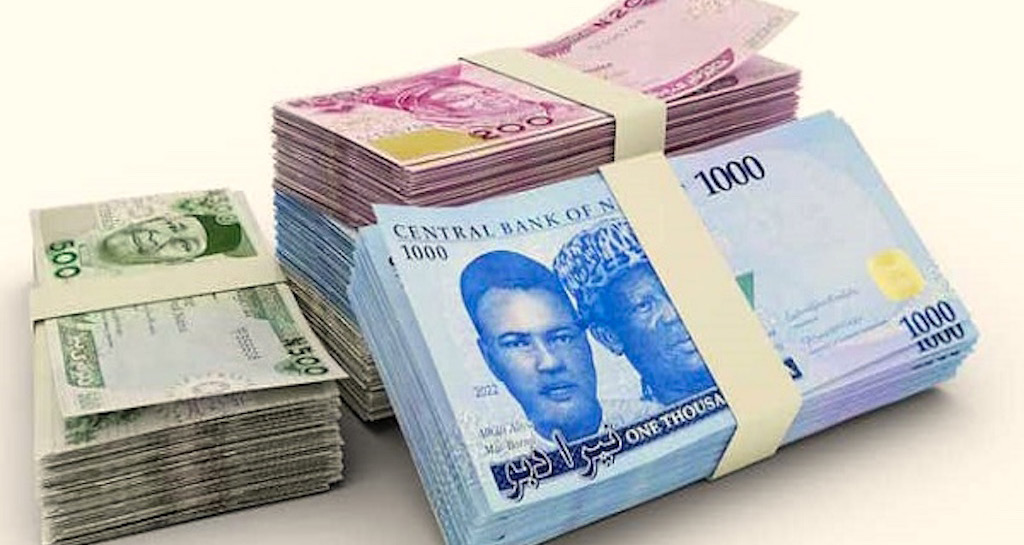
For much of the past decade, the Nigerian Naira was a byword for volatility, a currency hedge funds shorted on autopilot and importers priced with a 30% risk premium. Yet since late 2025, an unexpected calm has settled over Africa’s largest economy. The Naira has traded within a tight 3% band against the dollar for five consecutive months, driving down imported inflation and quietly forcing a rethink among Lagos based treasurers and New York EM portfolio managers.

The immediate catalyst is the Central Bank of Nigeria’s (CBN) shift toward an orthodox inflation-targeting framework. After years of multiple exchange-rate windows and ad hoc interventions, the CBN has unified the official and parallel markets, raised its policy rate to 19.5%, and actively cleared a $3.2bn FX backlog. More critically, the bank now allows the Naira to find its level while backstopping excess volatility, a “managed float” that has rebuilt credibility.

For Nigerian businesses, the effects are tangible. Manufacturing firms from cement to packaged foods reported lower input costs in Q1 2026, with annual inflation cooling to 18.4% down from a peak of 31.2% in mid 2025. “We can finally plan procurement beyond 30 days,” said the CFO of a Lagos based consumer goods group, requesting anonymity to discuss internal forecasts. “The hedging cost alone has halved.”

Foreign portfolio investors have taken notice. Net inflows into Nigerian government debt reached $1.1bn in February, the highest monthly level since before the 2023 currency crisis. Yields on one-year T-bills, now at 17.8%, remain attractive after accounting for the stable exchange rate, pulling capital from South Africa and Egypt.

Yet risks persist. Oil production, still Nigeria’s primary FX earner, hovers at 1.45 million barrels per day, below its OPEC quota. The upcoming October 2026 budget cycle will test fiscal discipline, as debt service consumes nearly 65% of government revenue. And any sharp fall in crude prices could force the CBN back into defensive mode.

For now, however, the stable Naira is doing what devaluation alone never could: restoring business confidence. The question for investors is whether this quiet repair job can survive the political noise of a general election cycle in early 2027. The market’s current bet is a cautious yes.

Tags: African financial marketsCBNCentral Bank of NigeriaCurrency managementEmerging MarketsExchange rate outlookForeign Portfolio InvestmentLagos business confidenceMonetary PolicyNaira StabilityNigeria 2026 outlookNigeria fiscal policyNigeria Inflation RateNigerian EconomyNigerian FX liquidityOil production Nigeria
Stephen Abebor

Stephen Abebor

Next Post

Economists Predict Slight Rise in Nigeria’s April Inflation Amid Persistent Cost Pressures

Leave a Reply Cancel reply

Your email address will not be published. Required fields are marked *

Recommended

INEC shifts voter register update beyond 2027 elections

4 weeks ago
Lotus Bank Seeks ₦1.13 Billion Refund After Software Glitch

Lotus Bank Seeks ₦1.13 Billion Refund After Software Glitch

6 months ago

Popular News

  • Economists Predict Slight Rise in Nigeria’s April Inflation Amid Persistent Cost Pressures

    0 shares
    Share 0 Tweet 0
  • Stable Naira Quietly Reshapes Nigeria’s Economy

    0 shares
    Share 0 Tweet 0
  • Dangote Refinery Raises Petrol Price Again as Market Pressures Mount

    0 shares
    Share 0 Tweet 0
  • Abia Inland Seaport Plan Advances with Feasibility Study Approval

    0 shares
    Share 0 Tweet 0
  • Nigeria FAAN Defends High Aviation Charges as Ticket Taxes Hit 70%

    0 shares
    Share 0 Tweet 0

Connect with us

Facebook Twitter Instagram TikTok

Newsletter

Pages

  • About Page
  • Contact
  • Privacy Policy
  • Terms & Conditions

Navigation

  • News
  • BT Exclusive
  • Economy
  • Business
  • Financial Markets
  • Politics
  • Energy
  • Insights
  • Sports

© 2025 The Business Times NG .

Welcome Back!

OR

Login to your account below

Forgotten Password?

Retrieve your password

Please enter your username or email address to reset your password.

Log In
No Result
View All Result
  • Home
  • News
  • BT Exclusive
  • Economy
  • Business
  • Financial Markets
  • Politics
  • Energy
  • Insights
  • Sports

© 2025 The Business Times NG .