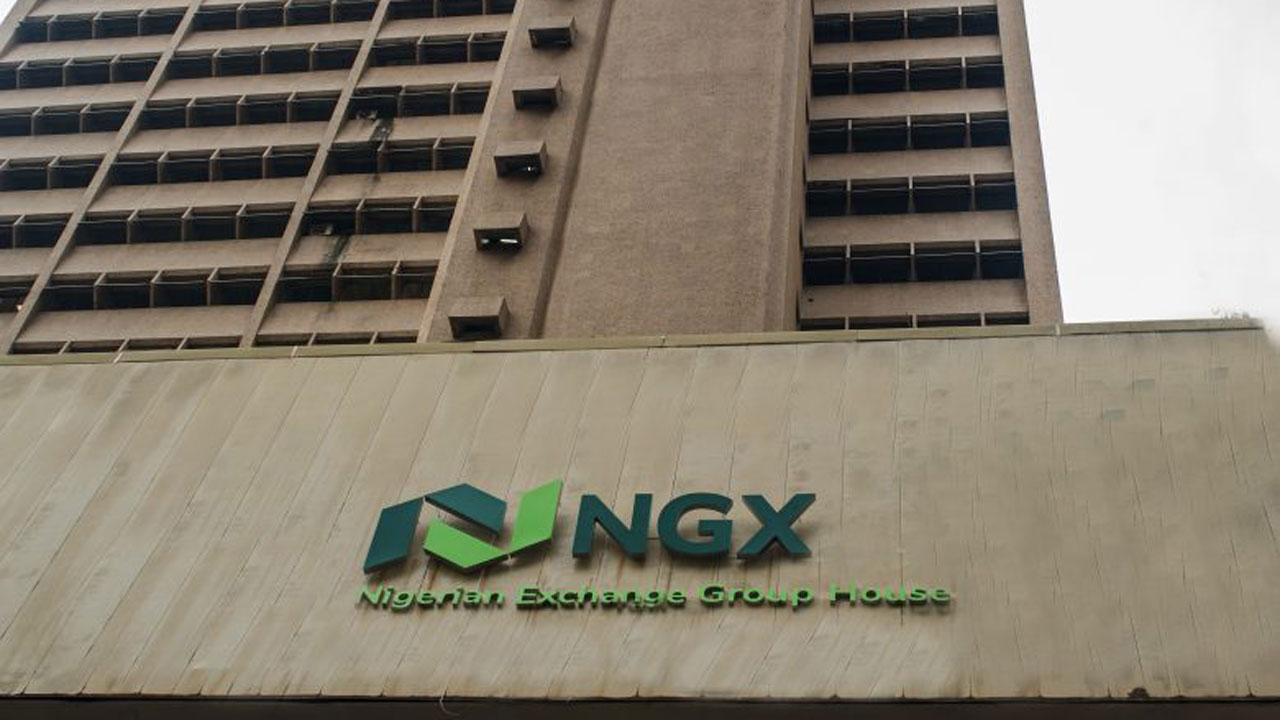

The Nigerian equities market began May on a solid footing Monday, as the All-Share Index (ASI) advanced 883.71 points, or 0.36%, to close at 243,161.52. The uptick, which followed a pullback in late April, snapped a two-day losing streak and pushed the benchmark index closer to its year-to-date high.
Trading data from the Nigerian Exchange (NGX) showed broad-based buying, with the banking and consumer goods sectors leading the charge. Tier-1 lenders including Zenith Bank and GTCO recorded modest gains, while Nestlé Nigeria and Unilever Nigeria added weight to the consumer index. Market breadth, a measure of advancing versus declining stocks stood at 31 gainers and 22 losers, reflecting cautious optimism among domestic institutional investors.
The ASI, which tracks the value of listed equities, has now gained roughly 17.2% since the start of 2026, though it remains well below the post-reform peaks seen in mid 2025. Analysts at Lagos based Cordros Capital attributed Monday’s rebound to end-of-month portfolio rebalancing and bargain hunting in mid-cap industrial names, which had been oversold in the previous week.
“We’re seeing a rotation into defensive sectors ahead of the central bank’s May monetary policy meeting,” said Adewale Olaniyan, head of equities at Meristem Stockbrokers. “The market is pricing in a potential hold on policy rates, which would sustain the real-positive yield environment and keep equities attractive relative to fixed income.”
Foreign portfolio participation remained subdued, however, with NGX data showing offshore inflows accounted for just 14% of total turnover down from a 22% average in the first quarter. Traders cited lingering concerns over currency repatriation lags, even as the naira traded flat at ₦1,485 per dollar on the official Investors & Exporters window.
Volume leader for the session was Transnational Corporation (Transcorp), which climbed 3.2% after the company announced plans to spin off its hospitality unit. The broader industrial goods index rose 0.9%, supported by Lafarge Africa and BUA Cement.
Looking ahead, market participants will watch Thursday’s purchasing managers’ index (PMI) data for April, which could signal whether economic activity is firming enough to sustain further equity gains. The NGX’s year-to-date return of 17.2% compares with an 11.4% advance in the same period of 2025, but analysts caution that stretched valuations in select large caps leave the index vulnerable to profit-taking if liquidity conditions tighten.
The next major catalyst is the Central Bank of Nigeria’s rate decision on May 19, where a majority of economists surveyed by Bloomberg expect the Monetary Policy Committee to hold its benchmark lending rate at 19.75% a move that would likely reinforce the current equity rally.