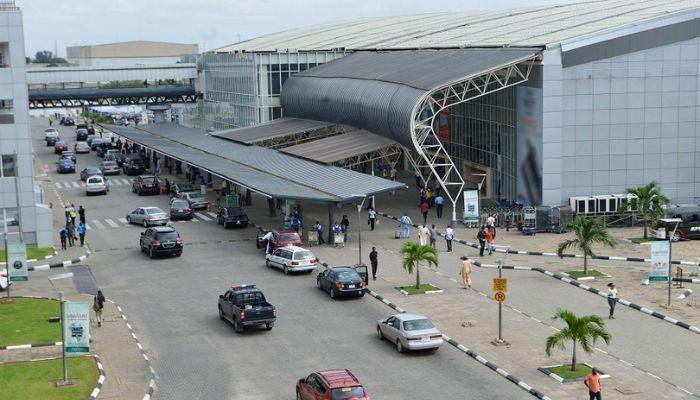

Nigeria’s aviation sector is seeing a renewed wave of investor confidence following the resolution of long-standing disputes surrounding the Murtala Muhammed Airport Terminal Two (MMA2) concession, according to the Infrastructure Concession Regulatory Commission (ICRC)
The commission said the settlement marks a critical turning point for public-private partnerships (PPPs) in Nigeria, reinforcing regulatory credibility in a sector historically weighed down by contractual disagreements and policy uncertainty.
MMA2 operated by Bi-Courtney Aviation Services under a concession agreement with the Federal Government has been at the centre of disputes over contract terms, revenue rights, and operational scope. The disagreements, which lingered for years, had raised concerns among both local and international investors about the enforceability of concession agreements in Nigeria.
Speaking on the development, the ICRC noted that the resolution demonstrates the government’s commitment to upholding contractual obligations and strengthening investor protections. PPPs, which involve private sector participation in financing, building, and operating public infrastructure, rely heavily on legal certainty and transparent dispute resolution mechanisms.
“The successful resolution of the MMA2 dispute sends a strong signal to investors that Nigeria is serious about improving its investment climate,” the commission said, highlighting the importance of predictable regulatory frameworks in attracting long-term capital.
Industry analysts say the development could unlock fresh investment flows into airport infrastructure, particularly as Nigeria seeks to modernise its aviation network to meet rising passenger demand and global safety standards. Africa’s most populous nation has long struggled with underinvestment in airport facilities, creating opportunities for private sector participation.
The dispute resolution also aligns with broader reforms under the administration of President Bola Ahmed Tinubu, which has prioritised infrastructure development and private sector-led growth. Aviation, a key enabler of trade and tourism, is central to these ambitions.
Market participants note that investor sentiment in Nigeria’s infrastructure space has often been dampened by legal disputes and inconsistent policy execution. By addressing one of the sector’s most prominent cases, authorities may be laying the groundwork for a more stable investment environment.
Beyond aviation, the implications extend to Nigeria’s wider PPP ecosystem, including roads, rail, and energy infrastructure. A credible dispute resolution framework reduces risk premiums, the additional returns investors demand to compensate for uncertainty, potentially lowering the cost of capital for large scale projects.
However, analysts caution that sustaining investor confidence will require consistent policy implementation and institutional transparency. While the MMA2 resolution is a positive signal, investors will be watching closely for how future disputes are handled and whether reforms are applied uniformly across sectors.
For now, the ICRC’s endorsement underscores a cautiously optimistic outlook: Nigeria’s aviation sector may be regaining credibility, but maintaining that momentum will depend on continued regulatory discipline and adherence to contractual commitments.