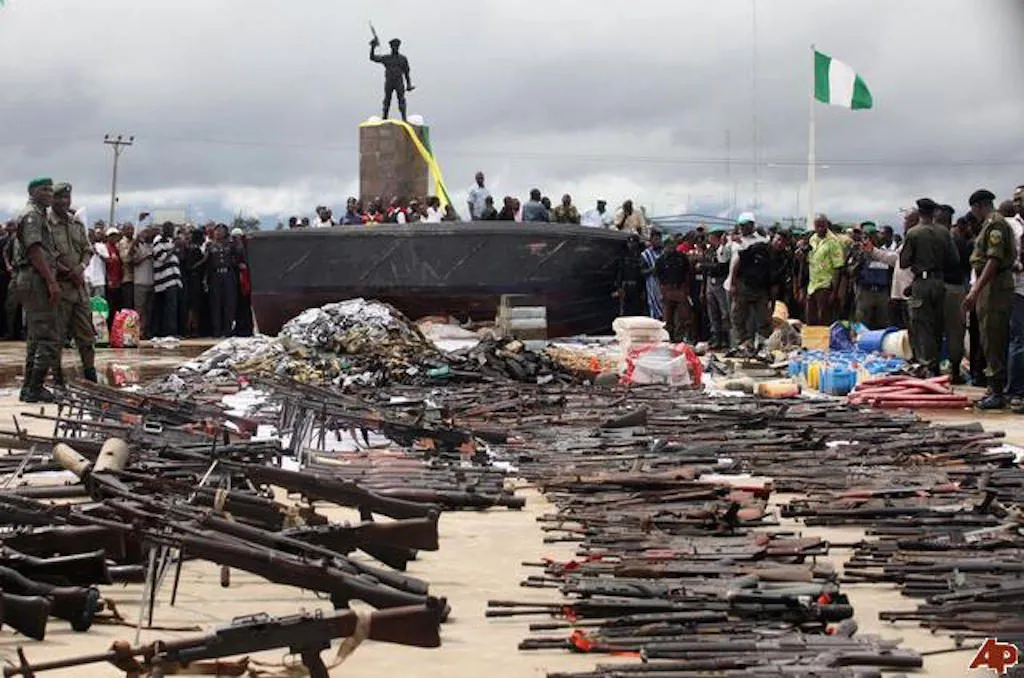

Nigeria’s amnesty and reintegration initiative for former insurgents is facing mounting criticism over ballooning costs, weak oversight and uncertain outcomes. Launched in 2016 under Operation Safe Corridor, the programme was designed to encourage fighters to surrender in exchange for rehabilitation, vocational training and community support. However, analysts estimate that the government has spent between N150 billion and N250 billion on such efforts, with limited public disclosure on how many beneficiaries have been successfully reintegrated or whether they remain non‑violent.
Critics argue that the policy risks becoming a revolving door, pointing to reports that some rehabilitated individuals have returned to armed groups. Concerns also surround the screening process, with host communities often excluded from decisions despite being expected to receive former insurgents. Many residents in affected areas feel unsafe, and civil society groups warn that the programme may inadvertently reward violence, especially as victims languish in difficult conditions with minimal state support.
From a fiscal perspective, the scale of spending is significant. The N150–250 billion allocated to the programme over nearly a decade could have financed substantial investments in education, healthcare or infrastructure in the north‑east, where the insurgency has caused the most damage. The lack of transparent metrics makes it difficult to assess whether resources are being deployed efficiently. Oversight gaps also raise questions about institutional integrity, as funds channeled through security and rehabilitation agencies operate with limited legislative scrutiny.
The human capital dimension is equally important. For reintegration to succeed, former fighters need sustained access to employment, psychosocial support and community acceptance. Without these elements, the risk of relapse remains high. Host communities, many of which have suffered years of violence, must be included in reintegration planning to build trust and ensure safety. Authorities maintain that the programme can reduce conflict if properly managed, but experts insist that stronger oversight, community involvement and accountability measures are essential.
The debate highlights Nigeria’s difficult balancing act between pursuing peace and ensuring justice. As the government continues to battle multiple security challenges, the effectiveness of amnesty programmes will remain a critical policy question. Without rigorous evaluation and transparent reporting, public confidence in counter‑insurgency strategies may erode further.