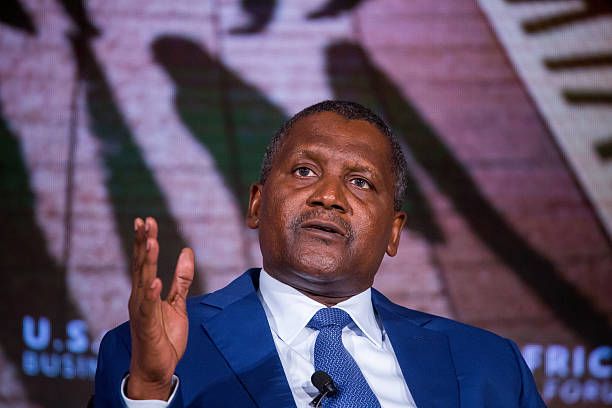

Africa’s richest man, Aliko Dangote, has called on Nigerians and local businesses to invest more within the country as a strategy to attract foreign investors and strengthen the economy.
Speaking during a public lecture at the Federal University of Technology, Owerri (FUTO), Dangote emphasized that sustainable economic growth cannot rely heavily on foreign capital alone. Instead, he stressed that domestic investors must take the lead in building confidence in the Nigerian economy. Dangote explained that foreign investors are more likely to bring their money into a country when they see strong participation from local investors. In his view, no serious investor will commit funds to an economy where citizens themselves are hesitant to invest. This, he said, is why Nigeria must first look inward and strengthen its internal investment base.
He highlighted that his own business journey has been driven largely by local investments, which later attracted international partnerships and funding. This model, he suggested, can be replicated across sectors such as manufacturing, agriculture, and infrastructure to boost economic development.
During the event, Dangote also demonstrated his commitment to education and youth development. He pledged to build a student hostel worth N550 million at FUTO and donated N25 million to support students through the institution’s Student Union Government. These gestures, he noted, are part of his broader effort to invest in human capital and create opportunities for young Nigerians.
The billionaire industrialist further pointed out that Nigeria has significant potential due to its large population and growing market. However, unlocking this potential requires deliberate efforts from both the private and public sectors to invest locally and create an enabling environment for businesses to thrive. He also linked local investment to job creation, explaining that when businesses invest within the country, they generate employment opportunities, reduce poverty, and improve overall economic stability. This, in turn, makes the country more attractive to foreign investors who are looking for stable and promising markets.
Dangote’s position aligns with ongoing conversations about reducing Nigeria’s dependence on imports and foreign funding. By building strong local industries and encouraging domestic participation, the country can retain more value within its economy and reduce pressure on foreign exchange.
In conclusion, Dangote’s message was clear: Nigeria’s path to attracting foreign capital begins with confidence at home. By prioritizing local investments, strengthening industries, and supporting innovation, the country can position itself as a reliable destination for global investors while ensuring long-term economic growth.