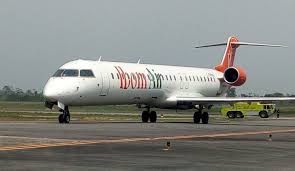

The crisis facing Nigeria’s domestic aviation sector has worsened as airlines grapple with an unprecedented surge in the cost of aviation fuel, with Ibom Air warning that the situation is fast becoming unsustainable. The airline revealed that the cost of fuelling a single flight has skyrocketed from an average of N2.1 million in January to approximately N7.6 million as of April 26, representing a staggering increase of over 350 percent within just seven weeks.
According to the airline, this sharp rise has occurred despite operating one of the most fuel-efficient fleets in the domestic market, underscoring the severity of the crisis across the industry. In a statement by its Group Manager, Marketing and Communication, Aniekan Essienette, the airline noted that domestic airlines are baffled at why the price of aviation fuel in Nigeria has ballooned to this level, way above the rest of the world, while fuel marketers obtain 95 per cent or more of their aviation fuel from the Dangote Refinery.
The situation is exacerbated by the fact that a combination of competitive pressures and patriotism have prevented a commensurate increase in fares, meaning that airlines have had to absorb immense operating losses. The airline noted that while it continues to do everything possible to maintain normal operations, the current conditions are unsustainable. It warned that if the situation persists much longer, airlines will not be able to continue operating just to pay for fuel and nothing else.
From an economic perspective, the aviation fuel crisis threatens the viability of Nigeria’s domestic airline industry. Airlines operate on thin margins, and a 350 per cent increase in fuel costs without a corresponding fare adjustment makes each flight loss-making. The situation is particularly acute because airlines cannot easily pass costs to consumers in a price-sensitive market without destroying demand. The government’s 30 per cent debt discount provides some relief, but the underlying fuel cost challenge requires structural solutions, including improved foreign exchange availability for fuel imports and transparent pricing mechanisms at the Dangote Refinery.