
Nigeria’s secret police, the Department of State Services, has arraigned former Kaduna State governor Nasir El-Rufai before a Federal High Court in Abuja over allegations of illegally accessing a private phone conversation involving National Security Adviser Nuhu Ribadu. The case, which has now expanded to five charges, marks a significant escalation from earlier accusations against the prominent opposition figure.
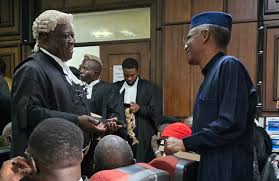
El-Rufai pleaded not guilty when the charges were read in court. During proceedings, the prosecution asked for a trial date, but the defence pushed back, stating that more time was needed to consult their client. The court also flagged a missing affidavit tied to El-Rufai’s bail request, prompting criticism from the judge over procedural lapses. The court has paused proceedings briefly to resolve filing issues before moving forward.
The charges stem from comments El-Rufai made during a television interview, where he claimed that a phone call involving the National Security Adviser had been intercepted. The DSS has been investigating the matter for several months, and the arraignment represents a formal step in the legal process. El-Rufai, who served as governor of Kaduna State from 2015 to 2023, has maintained his innocence and described the case as politically motivated.
From an institutional integrity perspective, the case raises important questions about the balance between free speech and national security. The interception of private communications by unauthorised persons is a criminal offence under Nigerian law, and the DSS has a mandate to investigate such breaches. However, critics argue that the prosecution of a prominent opposition politician could be seen as selective justice, particularly given the frequency with which political figures make claims about security matters in public discourse. The court’s handling of procedural issues will be closely watched as the case progresses.