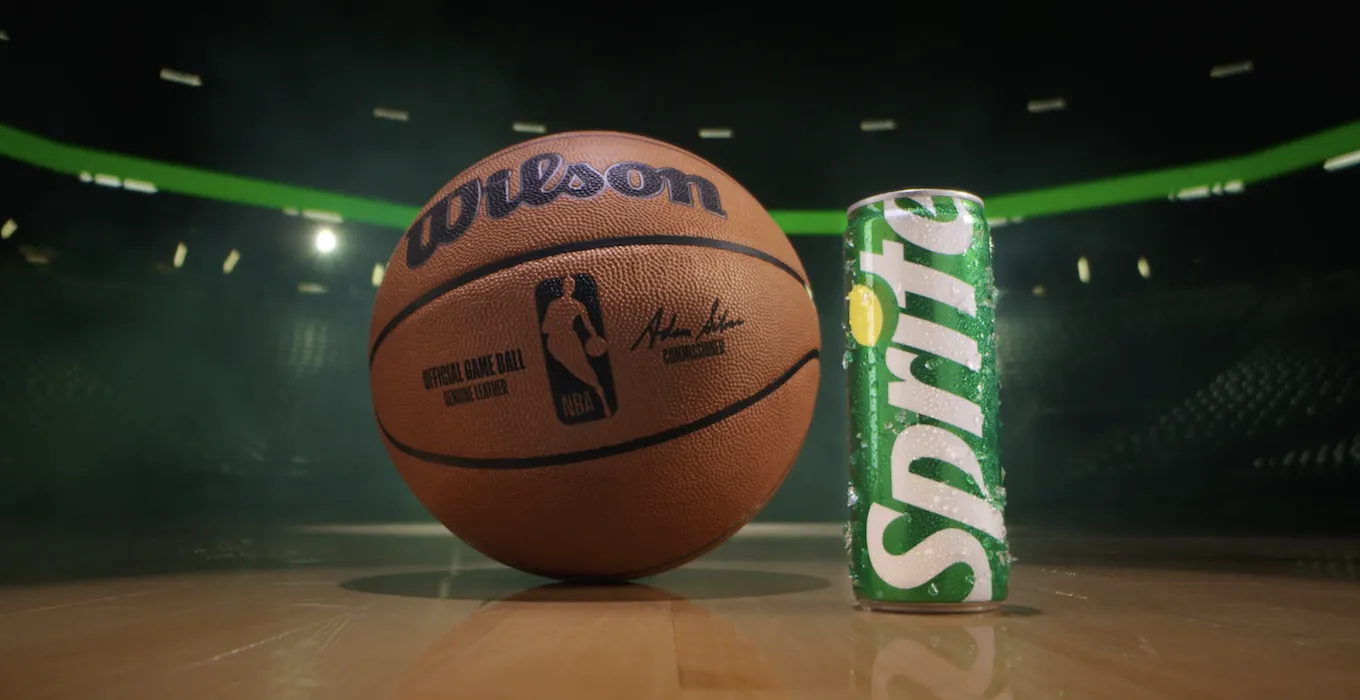

The Coca-Cola Company has officially renewed its global marketing partnership with the National Basketball Association (NBA), marking a strategic return to a long-standing alliance. This multi-year agreement reinstates Sprite as the league’s official global soft drink, effectively replacing competing products that occupied the sponsorship slot in recent years. For the Nigerian economy, this move is significant as it signals a intensified competition within the domestic carbonated soft drink (CSD) market, where both Coca-Cola and its rivals maintain massive manufacturing footprints and distribution networks that drive thousands of jobs in the industrial sector.
The partnership is designed to be expansive, focusing on a wide array of global marketing efforts including digital activations, live events, and grassroots programmes. Sprite will now lead all basketball-related campaigns, re-establishing its presence within a sport that has seen a surge in popularity across Africa, particularly in Nigeria through the rise of local talent and increased broadcast accessibility. From a business journalism perspective, this renewal is a calculated push to deepen engagement with younger audiences. By leveraging the NBA’s massive cultural capital, Coca-Cola aims to solidify its brand loyalty among a demographic that is increasingly health-conscious but remains a primary driver of high-volume beverage consumption.
The strategic value of the deal is further amplified by the NBA’s extensive media reach. With the league broadcasting to over 200 countries, the agreement offers Coca-Cola a powerful, high-frequency platform to scale brand visibility on a global level. Analysts view this move as a strategic effort to strengthen market share through an intentional intersection of sports, culture, and youth-driven engagement. In Nigeria, where the youth population is the largest in Africa, such a global partnership often translates into localized marketing blitzes, including talent hunts and sports infrastructure investments, which contribute to the development of the local creative and sporting ecosystems.
The fiscal implications of this global deal will likely manifest through increased marketing expenditure and operational scaling within regional subsidiaries like Coca-Cola Hellenic Bottling Company (CHBC) in Nigeria. As the brand prepares to lead new basketball-oriented campaigns, the ripple effects will be felt across the advertising, logistics, and retail sectors. For the Nigerian consumer, the return of the Sprite-NBA alliance often brings about promotional activities and community-level basketball clinics, which play a role in human capital development by fostering athletic talent and providing vocational opportunities within the sports management value chain.
Ultimately, the renewal of this partnership reflects a broader trend of multinational corporations doubling down on high-impact, global sports properties to navigate an increasingly fragmented media landscape. By aligning with a premium property like the NBA, Coca-Cola is not just buying ad space; it is securing a seat at the table of global youth culture. For Nigeria’s industrial sector, the continued investment from such a major player underscores the country’s importance as a strategic growth market, despite current macroeconomic headwinds. As the new campaigns roll out, the synergy between global sports and local beverage manufacturing will remain a key narrative in the nation’s ongoing retail and industrial evolution.