
An investigation by the News Agency of Nigeria has uncovered how acute bureaucratic bottlenecks and a centralised procurement system have crippled water billing in the Federal Capital Territory, leaving residents unable to receive or settle their monthly obligations for over eight months while water supply remains erratic.
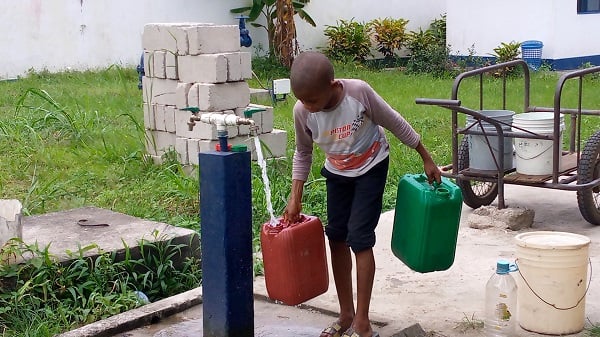
Residents across Abuja who spoke to NAN said they have not received water bills since mid-2025, forcing them to make unusual trips to FCT Water Board offices and search through old documents simply to confirm what they owe. The scarcity of pipe-borne water in the territory, worsened by rapid population growth straining distribution networks, has compounded the confusion.
Mrs Abiewese Moru, a Garki resident, told NAN that after eight months without receiving bills, she drove to the Water Board to settle any accumulated debt, only to be told she needed to present an old bill before officials could access her account. After searching her car, she found a faded 2024 bill, which revealed only a June 2025 charge outstanding. When she asked why house-to-house delivery had stopped, the attending officer explained simply: the Board had run out of billing paper.
Mr Emmanuel Udoh of Life Camp received his last bill in May 2025. When he visited the Board, he was told there was no paper or toner to print bills. A worker said staff now rotate attendance because there is nothing to do. Another resident, Mr Deji Akanni, was told at the Kubwa office that the minister’s centralised governance style, requiring ministerial consent even for stationery purchases, had paralysed management.
A senior Water Board official, speaking anonymously for fear of intimidation, confirmed that procurement responsibility had been transferred to the FCTA Secretariat, the minister’s office. The Board had submitted a request months ago and was awaiting approval. Sources also linked water supply disruptions to shortages of treatment chemicals and unpaid electricity bills owed to AEDC.
This administrative collapse highlights a deeper dysfunction in Nigeria’s utility sector: the culture of bill avoidance and non-payment. The FCT Water Board itself is a debtor, having accumulated over one year of unpaid electricity bills that led AEDC to disconnect power to its facilities in January, disrupting water treatment and distribution . AEDC, in a statement, said despite several notices and engagement opportunities, the Board remained adamant, forcing disconnection as a last resort .
The Water Board’s failure to collect from residents while failing to pay its own suppliers exemplifies a vicious cycle plaguing Nigerian utilities. State-owned enterprises often operate without commercial discipline, treating payments to private providers as optional while expecting full collection from their own customers. The result is cascading indebtedness that cripples service delivery across sectors.
Until procurement bottlenecks are removed, institutional autonomy restored, and a culture of payment enforcement established at every level, residents of the Federal Capital Territory will continue navigating a system where even the most basic transaction—paying a water bill—requires searching through old documents and hoping for bureaucratic mercy.